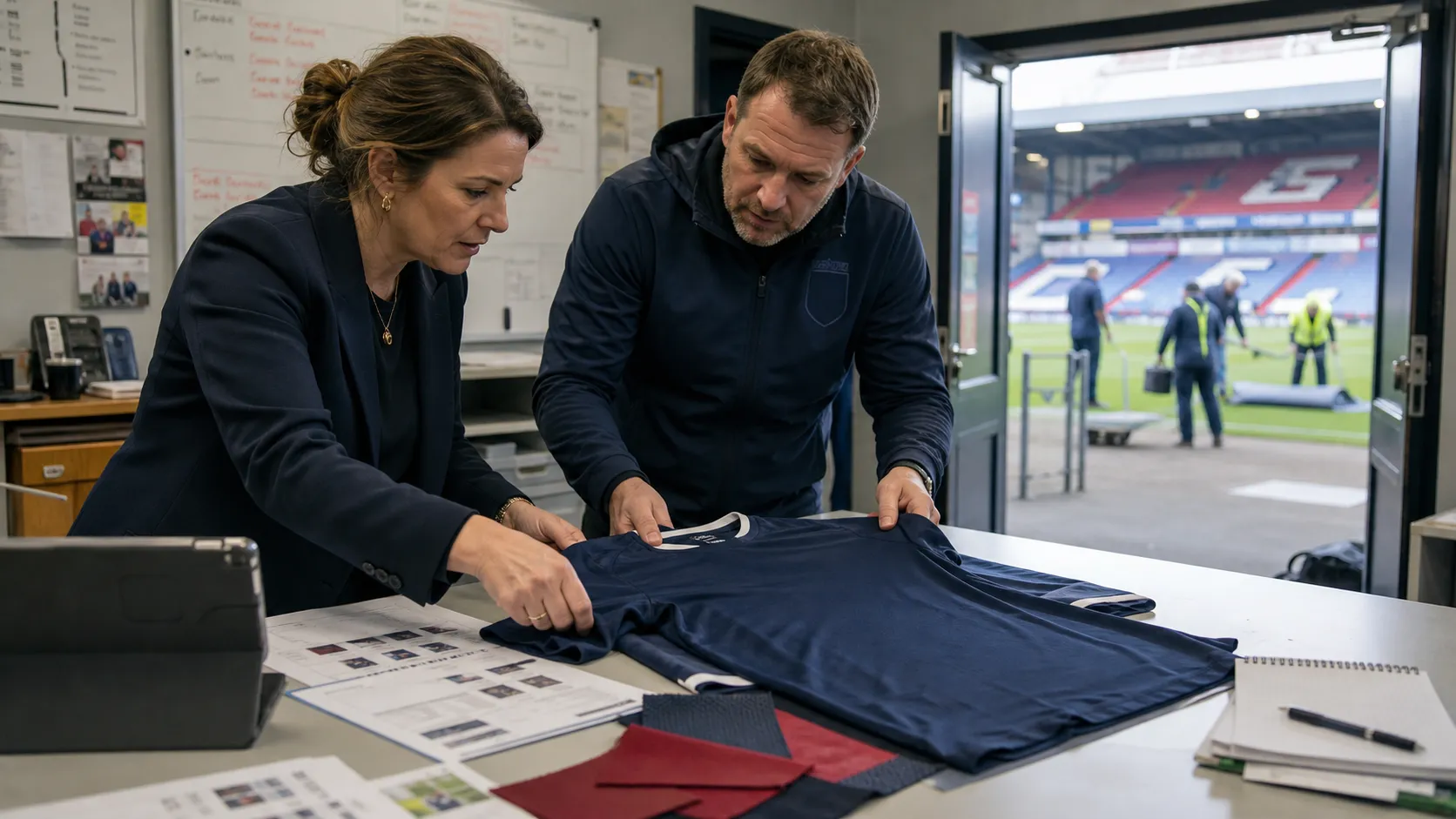
The FORZA State of Grassroots Football Report makes for uncomfortable reading. Almost three quarters of UK clubs don't feel they have enough funding to sustain their activities. Eighty-one per cent have seen costs rise by at least five per cent. The report's own summary puts it better than I could: a grassroots game held together by extraordinary goodwill, but under strain on almost every front.
Most coverage reaches for the same conclusion - that grassroots football needs more money from somewhere. More government funding. More trickle-down. More grants. All of which would help. None of which is coming quickly. So I want to make a different argument, based on a different number in the same report.
Seventy-one per cent of grassroots clubs already use sponsorship. It's the second most common funding source in the game, behind player subs and well ahead of grants. Which means the problem isn't that clubs haven't thought of sponsorship. It's that sponsorship, as most clubs currently do it, doesn't work very well.
01What sponsorship actually looks like at grassroots
Someone at the club - usually the chairman, sometimes the treasurer, occasionally a parent who once worked in sales - decides the club needs sponsors. They write a list of businesses they know. The bloke who runs the garage. Somebody's dad with a building firm. They ring round, or catch people at a game. If someone says yes, what they get is normally invented on the spot, because there's no price list. A shirt might be £500 at one club and £2,000 at another twenty minutes down the road, and neither club has any real basis for the number.
Twelve months later, nobody can quite remember what was agreed. The sponsor isn't sure what they got. The person who set it up has moved on. And the whole thing starts again from a slightly worse position than last year.
That's not a grassroots problem caused by lack of money. It's a grassroots problem caused by lack of infrastructure, and the two are related, because the infrastructure gap is exactly what stops the money arriving.
02The volunteer maths
The FORZA report identifies something that should worry anyone who cares about the grassroots game: the volunteer base is ageing. Respondents aged 55+ rose from fifteen per cent to twenty per cent in a single year. For a small club, losing one volunteer can be existential.
Now put those two findings next to each other. Clubs need more sponsorship revenue. Clubs have fewer volunteer hours to generate it. Every hour spent updating a spreadsheet or chasing a payment is an hour that isn't spent on the thousand things that actually deliver football to children.
Any solution that adds admin to grassroots football is not a solution. It doesn't matter how clever it is. If it costs a volunteer an evening, it will be abandoned by March.
03Why paid tools struggle here
There are good products in this space. But almost all of them ask the club to pay first. A setup fee plus a monthly subscription is nothing for a business. For a volunteer committee where three quarters of clubs report a funding shortfall, it's a genuine decision that has to be justified, minuted, and defended if it doesn't work.
And here's the structural problem that follows. A County FA cannot roll out a paid product to two thousand volunteer-run clubs. No governing body is going to tell its entire affiliated network to start paying a subscription, however good the product. Which is why the best-known paid platform in this space has, after more than a decade, reached three of the fifty-plus County FAs in England. That isn't a failure of effort. It's the ceiling of the model. It can, however, roll out something free.
04What the money actually looks like
A grassroots or semi-professional club typically has more sellable inventory than it realises. Not just the shirt. Perimeter boards. Training kit. Match balls. Player sponsorships. Programme adverts. Junior teams. Most clubs sell two or three of these. A well-organised club sells fifteen. Here's a realistic illustration for a decent-sized grassroots club, priced for a local business rather than a regional brand:
| Asset | Volume | Price | Total |
|---|---|---|---|
| Perimeter boards | 8 | £250 | £2,000 |
| Player sponsorship | 16 | £75 | £1,200 |
| Match ball sponsorship | 15 | £60 | £900 |
| Junior team kit | 4 | £200 | £800 |
| Programme / matchday adverts | 8 | £75 | £600 |
| Shirt / principal partner | 1 | £1,000 | £1,000 |
| Total | £6,500 |
Nothing on that list is expensive. No single line is a hard sell. The number comes from breadth, not from price, and it's transformational for a club whose biggest worry is the electricity bill. The point isn't the total. It's that most clubs sell the first line and the last line, and leave the middle four on the table entirely.
05The proof, at small scale
About a year ago I built a prototype, purely to test whether the demand I'd seen six years earlier still existed. One semi-professional club used it. They put QR codes around the ground and shared some links on social media. They generated just over two thousand pounds in new sponsorship in four weeks.
Two thousand pounds is not a headline number. But think about what it represents: a club that had been doing sponsorship the traditional way for years found two thousand pounds of previously invisible demand inside a month, from people already in its orbit. Now consider that there are tens of thousands of clubs in this country in exactly that position.
06What has to change
Make the inventory visible. If a local business can't see what a club has to sell, they can't buy it. The commercial offer needs to be somewhere a business can find it without knowing anyone.
Make the process survive people. When a volunteer steps down, the club loses not just their time but the entire relationship history. Records need to belong to the club, not the person.
Make it cost the club nothing to try. Any solution that requires upfront spend is asking clubs to take a risk they're not in a position to take. The risk should sit with the platform, not the club.
That last one is why Sponsorfy is free for clubs, permanently. We take eight per cent when a transaction actually completes, and nothing at all when it doesn't. In an industry where three quarters of participants report a funding gap, I don't think there's an honest alternative.
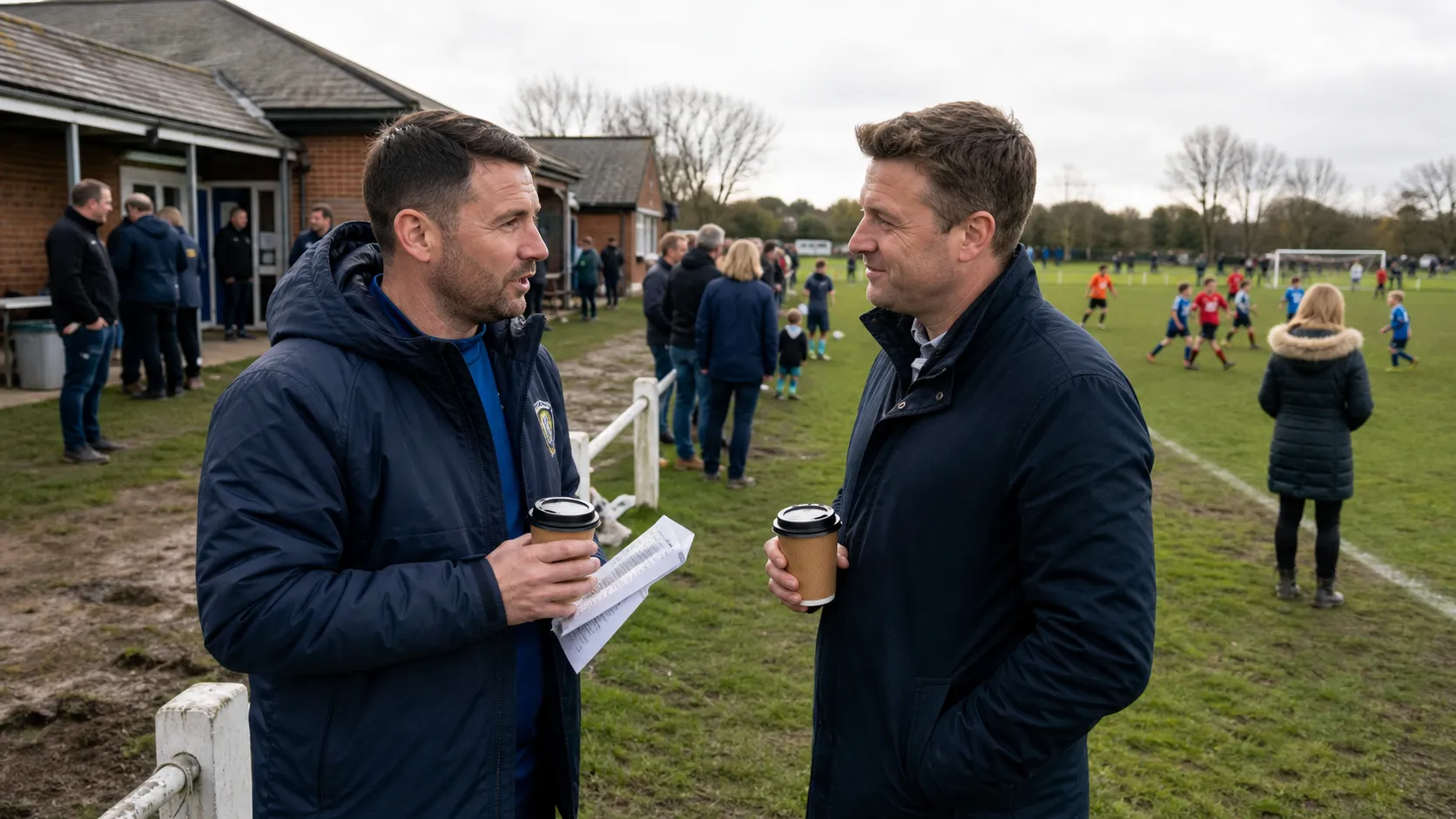
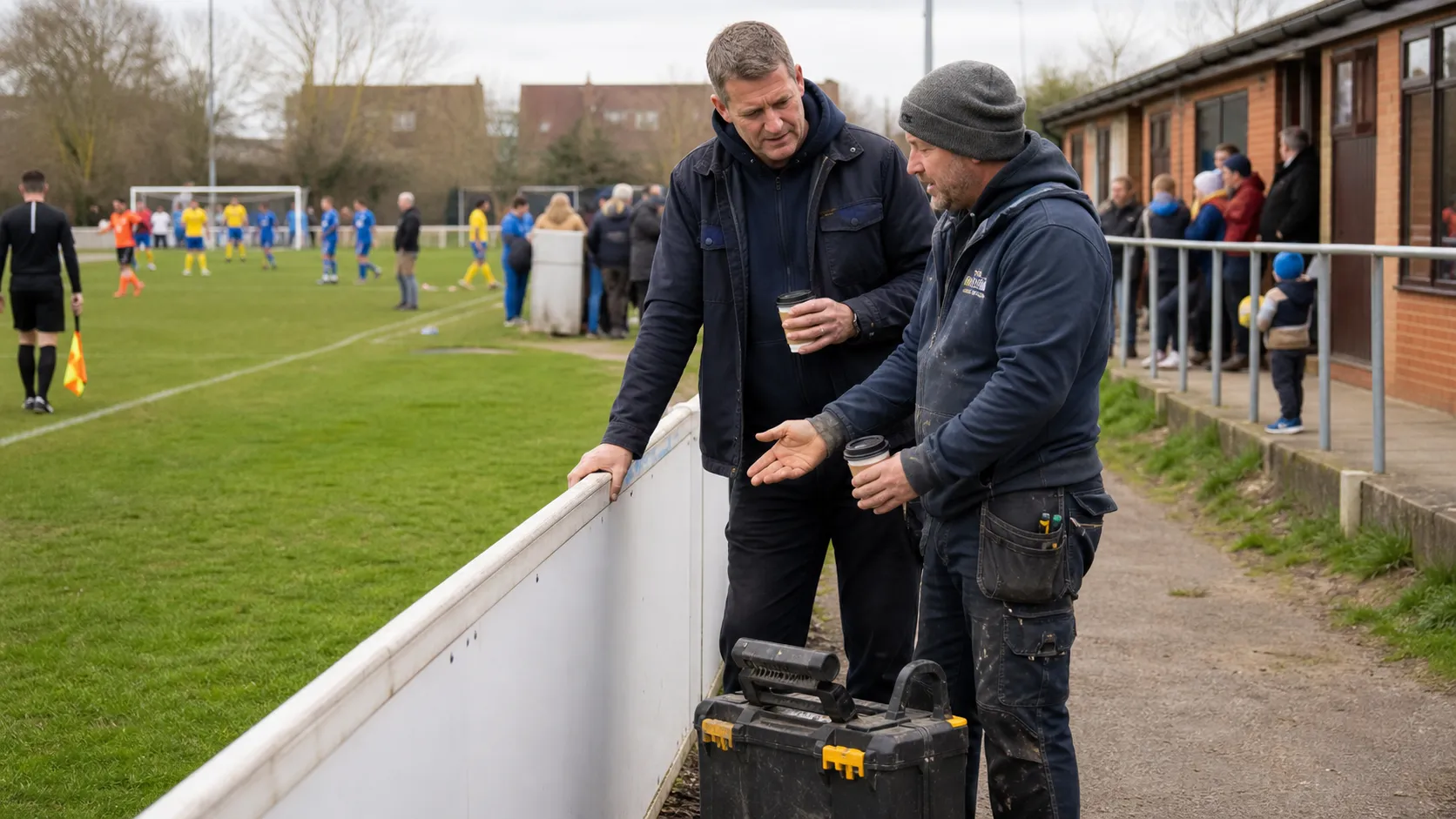
The local business who'd sponsor the under-11s is already in the car park. The parent who runs a plumbing firm is already on the touchline. The money that three quarters of clubs say they don't have is, in a meaningful proportion of cases, standing about forty yards away holding a coffee. It just needs somewhere to go.
Sponsorfy is the commercial and payments infrastructure for football clubs. List every asset your club has, let local businesses find and pay for it directly, and keep the relationship. Free for clubs, always.
- FORZA State of Grassroots Football Report: ~75% of clubs report insufficient funding; 81% report cost increases of 5%+
- Funding mix: player subs 88%, sponsorship 71%, fundraisers 52%, grants and government under 23%
- Volunteer demographics: respondents aged 55+ rose from 15% to 20% year on year

Mark is the founder and CEO of Sponsorfy. He spent seven years at Auto Trader, reaching sales director, and has spent the last six years working with clubs from the Premier League to grassroots on the infrastructure behind football sponsorship.